
Marketplace Product Title Optimization Guide
A practical guide to writing better product titles for marketplaces and multi-channel stores.
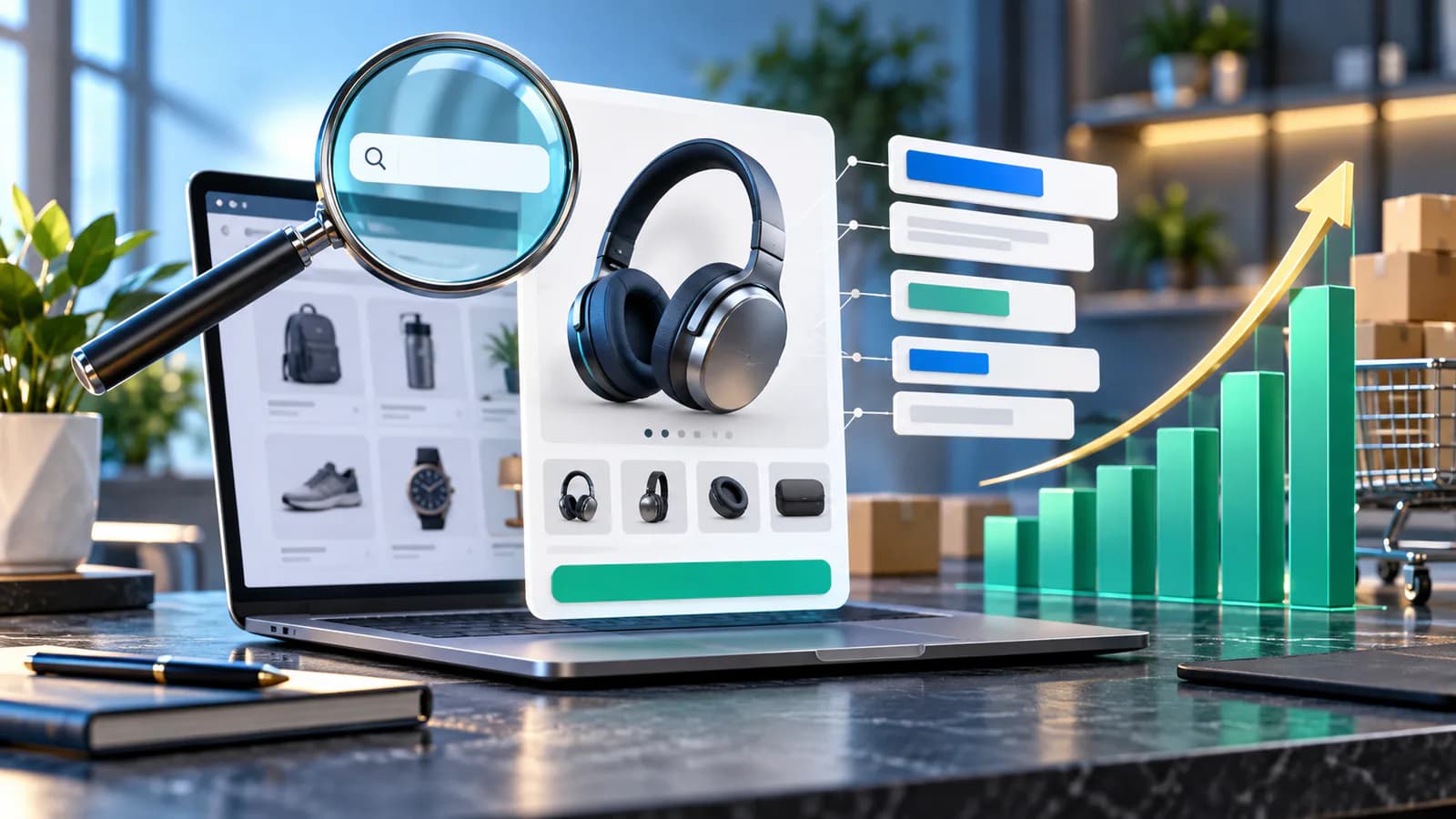
A marketplace product title should let the right buyer recognize the item before opening the listing. It needs enough identifying detail for search and enough clarity for a person scanning similar results. Keyword repetition, vague praise and irrelevant brand names make that job harder.
Treat the title as a compressed description of the exact offer. The product type, defining attributes, variant and condition should agree with the images, item specifics and description. A title that earns a click through ambiguity can create disappointment and returns rather than useful demand.
Verify the product identity first
Build a factual record before drafting. Include brand where applicable, model, product type, material, size, color, quantity and condition. Mark uncertain details for verification instead of converting a supplier's guess into a confident listing claim.
For secondhand or collectible items, inspect labels, markings and measurements. Do not infer authenticity, age or material solely from appearance. The title should not make a stronger claim than the evidence supports elsewhere in the listing.
Distinguish the item from compatible equipment. A replacement strap for a watch is not the watch itself. Put the accessory identity clearly at the start and describe compatibility accurately. Ambiguous wording can attract the wrong searcher and produce avoidable disputes.
Understand the platform and category rules
Marketplace title limits and prohibited practices differ. Check the current seller documentation for each destination rather than copying one channel's title everywhere. Category-specific requirements may also affect the attributes buyers expect to see.
For example, eBay's listing guidance describes its 80-character title allowance and recommends useful identifying attributes such as brand, model, type and color. That is a platform-specific limit, not a universal rule for every marketplace.
Keep a channel requirements sheet with the source link and review date. Avoid hardcoding assumptions into a cross-listing process without an owner to update them. When a platform changes its recommendations, review the exported titles and the original product data separately.
Research buyer language without copying competitors
Inspect relevant search results and customer questions to learn common product names and distinguishing attributes. Note which terms describe the item and which are promotional filler. A competitor's repeated phrase is not evidence that it is accurate or permitted.
Look for differences between specialist and everyday language. A buyer may search for a desk clamp even when the manufacturer uses a technical part name. Use the recognized product term while keeping model or compatibility details where they matter.
The eBay listing SEO guide offers deeper marketplace-specific context. Use it to connect title work with categories and item specifics rather than assuming the title controls discovery on its own.
Prioritize information by purchase consequence
Place the most important identity information early because titles may be truncated in some views. Then add the attributes that help distinguish similar offers. The appropriate order depends on the category: model compatibility can matter more than color for a spare part, while size may be decisive for clothing.
Avoid treating every available character as a requirement to add another synonym. Once the essential information is clear, unnecessary words can reduce readability. Best, amazing and must-have usually tell the buyer less than a verified material or quantity.
Use natural separators and consistent units. Keep abbreviations understandable to the intended audience. An internal stock code may be essential for a technical buyer but useless for someone choosing a decorative cushion. Product knowledge should determine the priority.
Work through a title revision
Imagine a listing titled Amazing Premium Storage Basket Home Organizer Gift Natural Best Quality. It does not identify the material, shape, size or quantity. A factual rewrite might be Woven Seagrass Storage Basket, Rectangular, 35 cm, Single Basket, provided each attribute is verified.
The improvement is specificity, not the exact sentence pattern. A different product may need a brand and model first. The rewritten title should match the actual image and make clear that decorative contents are not included.
Now test a compatibility example. Wireless Headphones Case for Model X is clearer than Model X Wireless Headphones when only the case is sold. The word case changes the offer fundamentally and must not be hidden after a long list of attractive search terms.
Keep structured attributes and title aligned
Item specifics, variation options and the title should not contradict each other. A title stating a set of four with a quantity field describing one item needs clarification. A color in the title should correspond to the selected or offered variant.
Use structured fields for attributes the platform supports, even when they also appear in the title. These fields can support filters and comparison. Do not omit them because the information is already present in prose.
For a multi-channel catalog, keep a canonical factual record and separate channel-specific title fields. That allows each marketplace's wording and limits to be respected without changing the product identity. Review synchronization rules so a bulk import does not overwrite carefully edited channel titles unexpectedly.
Review the title in the actual result context
Look at the listing on a phone and in relevant search results where available. Check what remains visible when the title is shortened. Can a buyer still distinguish the product from an accessory, a single item from a bundle and one size from another?
Compare the title with the main image. If one implies a complete set and the other shows only a component, resolve the mismatch. A readable title cannot compensate for a misleading photograph, and a clear photograph may not correct a truncated title.
Ask a reviewer unfamiliar with the listing to explain what they would receive. Their answer is a practical test of clarity. Record any assumption that differs from the actual offer and revise the title or supporting information accordingly.
Test revisions without inventing certainty
Record the original title, revised title, date and reason. Keep other major variables stable where feasible. If you also change price, image, advertising and shipping, the result cannot be attributed confidently to the title alone.
Review relevant impressions, clicks, purchases and customer questions over an appropriate period. Small sellers may not have enough volume for a strong statistical conclusion. Use directional evidence and product clarity rather than declaring success from a few additional clicks.
Watch for a rise in irrelevant visits or confusion. A broader title may increase exposure while reducing buyer fit. The marketplace analytics guide helps distinguish visibility from outcomes that matter to the seller.
Handle a title that is still too long
When the verified title exceeds a platform's limit, remove information by decision priority rather than truncating the end automatically. Preserve the item identity, critical compatibility and sold quantity before optional style language. Move secondary facts into the appropriate structured fields and description without making the title misleading.
For a replacement component, losing the word replacement or the compatible model can change the apparent offer. For a decorative basket, a secondary color description may be less consequential than its size and quantity. The correct edit depends on what would cause a buyer to choose the wrong item.
Preview the shortened result beside the photograph and item specifics. Ask a reviewer to identify the offer again. Length validation can confirm that a field is accepted, but this comprehension check confirms that the edited wording still communicates the right product.
Maintain titles through catalog changes
Update titles when the sold quantity, model, material or included components change. Keep an audit trail for important edits. A supplier's revised packaging can make an old title inaccurate even when the SKU remains the same.
Review seasonal or promotional wording before it becomes stale. Avoid relying on temporary claims that are difficult to maintain across many channels. Durable product identity usually deserves priority over campaign language in the listing title.
Create a manual quality sample after bulk updates. Check long titles, variants, unusual characters and products with compatibility wording. Automated length validation is useful, but it cannot determine whether the title accurately describes the item.
Frequently Asked Questions
Should I use every character available?
Use the space to include relevant identifying information, but do not add filler solely to reach a limit. The title should remain readable and accurate in the platform's actual display.
Can the same title be used on every channel?
Sometimes, but verify each platform's rules and audience context. A shared product-data source with reviewed channel titles is more flexible than forcing every destination to use identical text.
What should a title optimization project include?
A title optimization project should connect title revisions with verified attributes, images and descriptions. If you want help with it, you can send a project inquiry with representative listings, source product data and relevant search observations so the work improves both discovery and buyer understanding.
Related posts

How to Adapt a Master Product Description Across Marketplaces
Keep product facts consistent while adapting titles, attributes, variants and descriptions to each sales channel's requirements.
Read article →

Marketplace Review and Trust Signal Guide
A practical guide to marketplace trust signals that help buyers feel safer before ordering.
Read article →

Pinterest and WooCommerce Strategy Guide
A practical guide to using Pinterest traffic with WooCommerce product and category pages.
Read article →
Author
Anushka Dahanayake
Anushka Dahanayake builds SEO-focused websites, e-commerce platforms, dashboards, and automation systems for businesses worldwide.